Know the line stopped in the first minute.
We fit cameras over the process and your shift lead is told what stopped, what is stacking up and where the shift is losing time, as it happens. Nothing wired into the machines, and nothing for the operators to do.
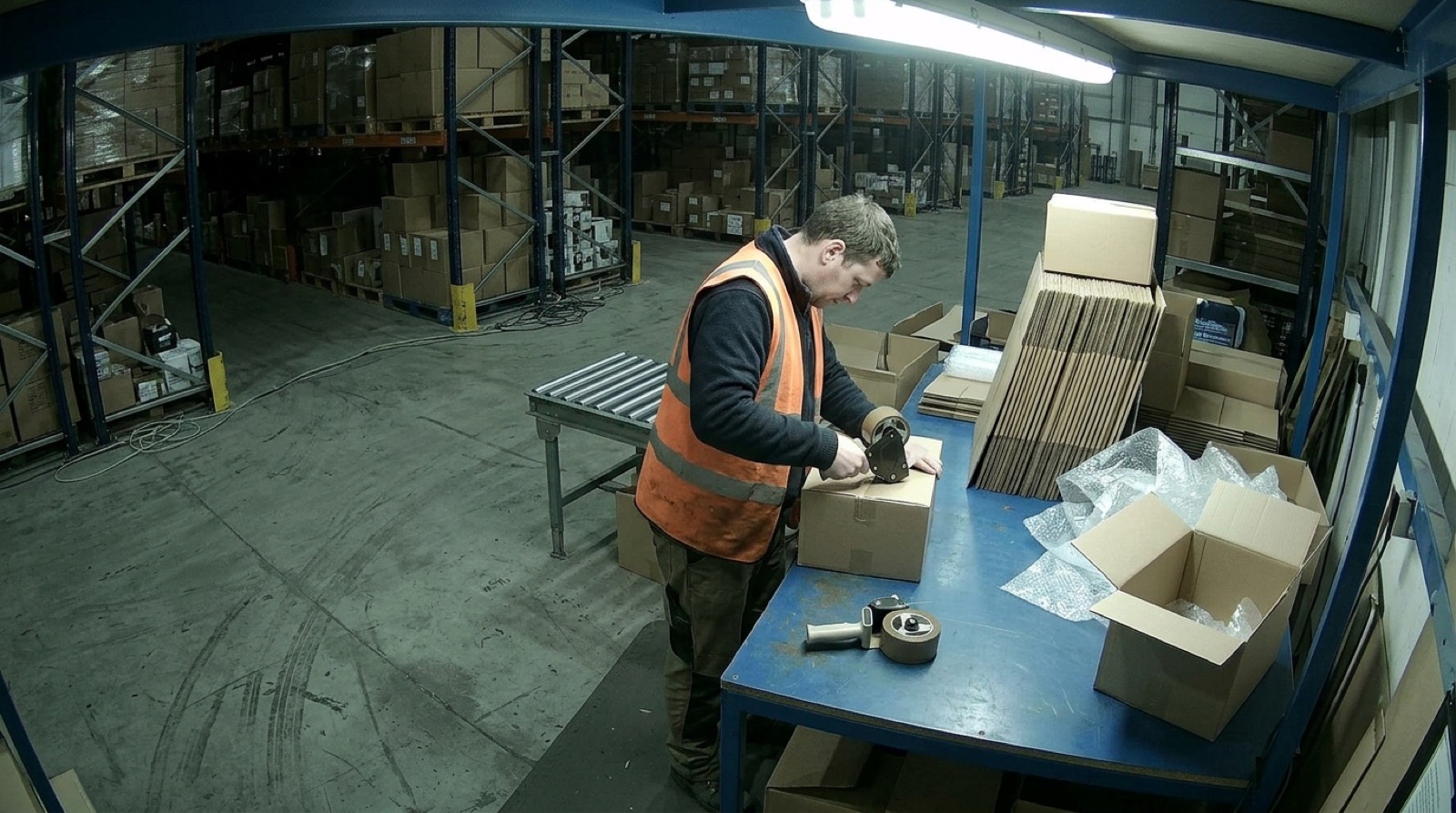
- 1A station stops, or the work starts stacking up behind it
- 2Your shift lead gets one line and the picture of why
- 3It is fixed in minutes, and the log writes itself
What a week on the line looks like now.
What it saves you.
Downtime measured in minutes
When a line stops, the shift lead knows about it inside the first minute and can see the picture of why.
Bottlenecks you can prove
You can see which station is waiting, how long work has been stacking up, and the clip that shows it, so the Monday conversation is about the process rather than about who remembers what.
Near misses
Someone on the floor without a hard hat, a forklift lane blocked, or a guard left open reaches the right person before it turns into an incident and a claim.
A downtime log that writes itself
Every stop is logged with its length and its cause and kept for the week, so the three most common reasons are ready for the Monday meeting without anybody having to compile them.
We fit it in a day, and it watches every shift from then on.
 01
01We fit it
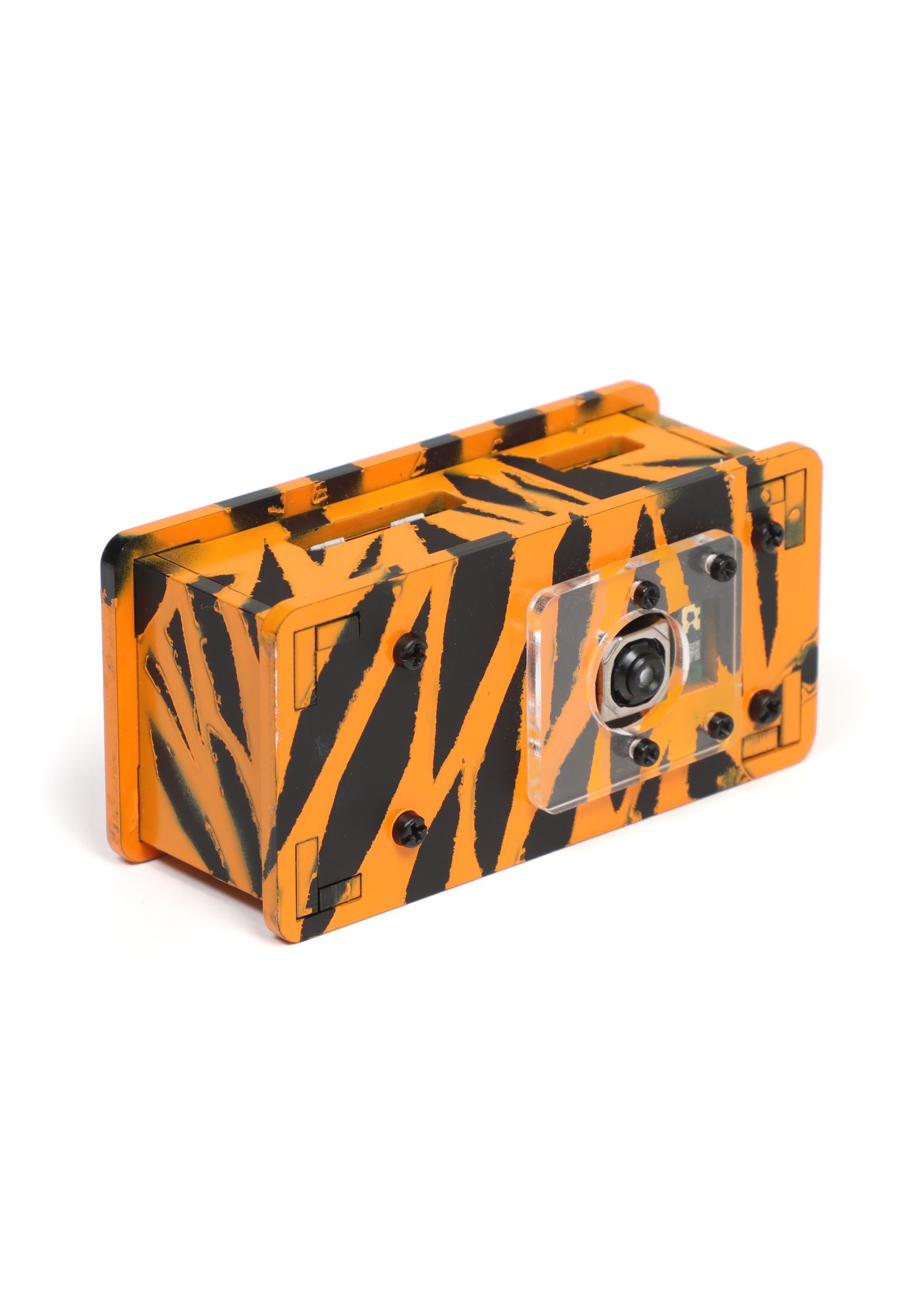
We walk the line with your engineer, then spend a day on site putting cameras over the stations that matter. Nothing is wired into the machines.
- 02
It watches the process
Every station on every shift, on old machines and new ones alike, because it watches the line the way a supervisor does.
- 03
What changed is flagged
It picks up the conveyor that stopped, the queue that grew, and the station nobody is standing at.
- 04
Your shift lead is told
One line and a picture go to the floor, the office or the andon board, and it goes into the log either way.
Why plants choose it.
Nothing wired into your machines
It watches the line through a lens, so it works on machines that predate networks and on ones the vendor will not open up.
One fee for each line
You pay once to have it fitted, then a monthly fee for each line, and you can add lines as you go.
It does not need your operators
Nobody logs a stop, nobody fills in a sheet, and nobody has to remember what happened at three in the morning. The log is written whether anyone is looking or not.
What the stoppages cost you now
- Downtime as it stands
- 512 hours a year
- What that costs you
- £460,800 a year
- Recovered, at 20–45%
- £92,160 – £207,360
Assumes two shifts and roughly 240 working days. The recovery range is the share of each stoppage you get back from the stretch where nobody had noticed yet, so it depends on how quickly your people can get to it once they know. Our fee is not taken off, because we quote per line after walking it.
Priced per line, fitted by us.
One installation fee per line covers the walk-through, the cameras and the fitting. After that, a monthly fee per line. Tell us how many lines and what you want watched, and we will quote.
What plants ask us.
Do we have to connect it to our machines?
No. Nothing is wired into the PLC or the controls. It watches the line through cameras, the way a supervisor would, which is why it works on a thirty-year-old press as well as a new cell.
Does it replace our quality inspection cameras?
No. Inspection cameras check a part against a tolerance at line speed. This watches the situation around the parts: the queue, the empty station, the operator working around a jam. They answer different questions and plants tend to want both.
Our network is locked down. Does anything leave the site?
Only what you choose to send. Footage stays on your premises and the alerts go to the people you name. If nothing can leave the site at all, we fit it to run that way.
What do we have to do?
Walk the line with us once, tell us what you want to know about, and give us a day on site. After that, nothing. If something needs attention we see it before you do.